





 About us
Technology
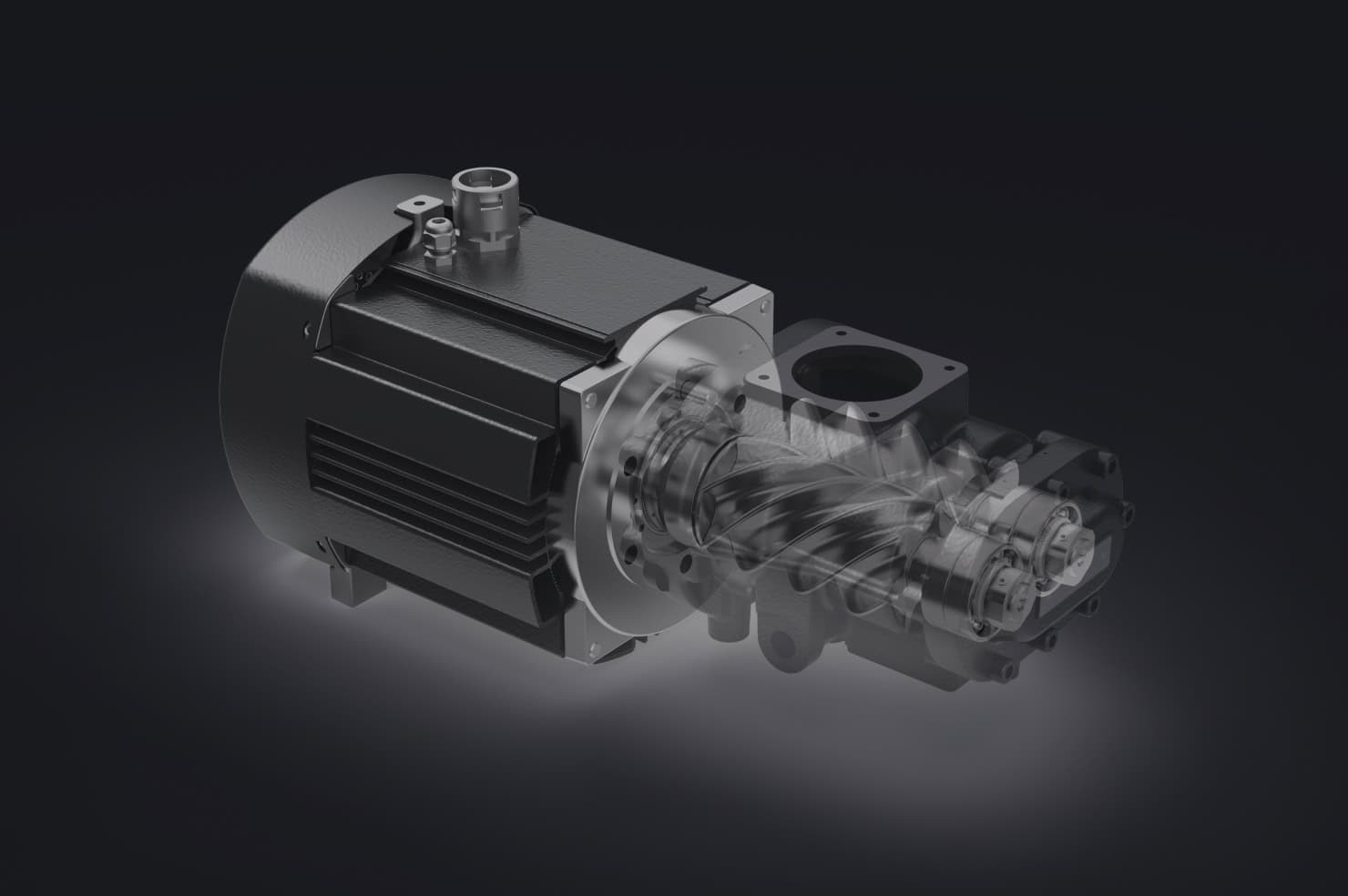
Screw technology
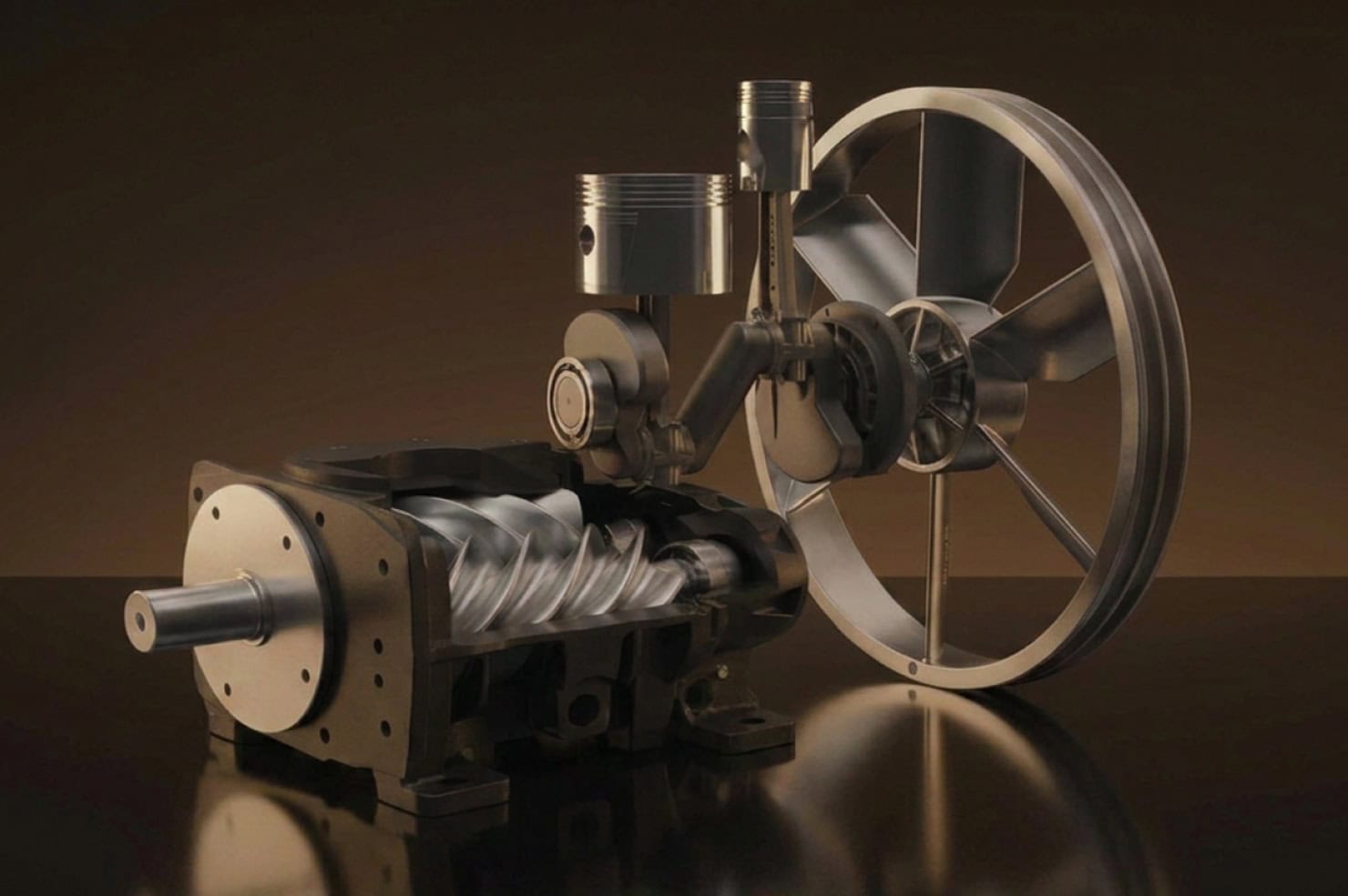
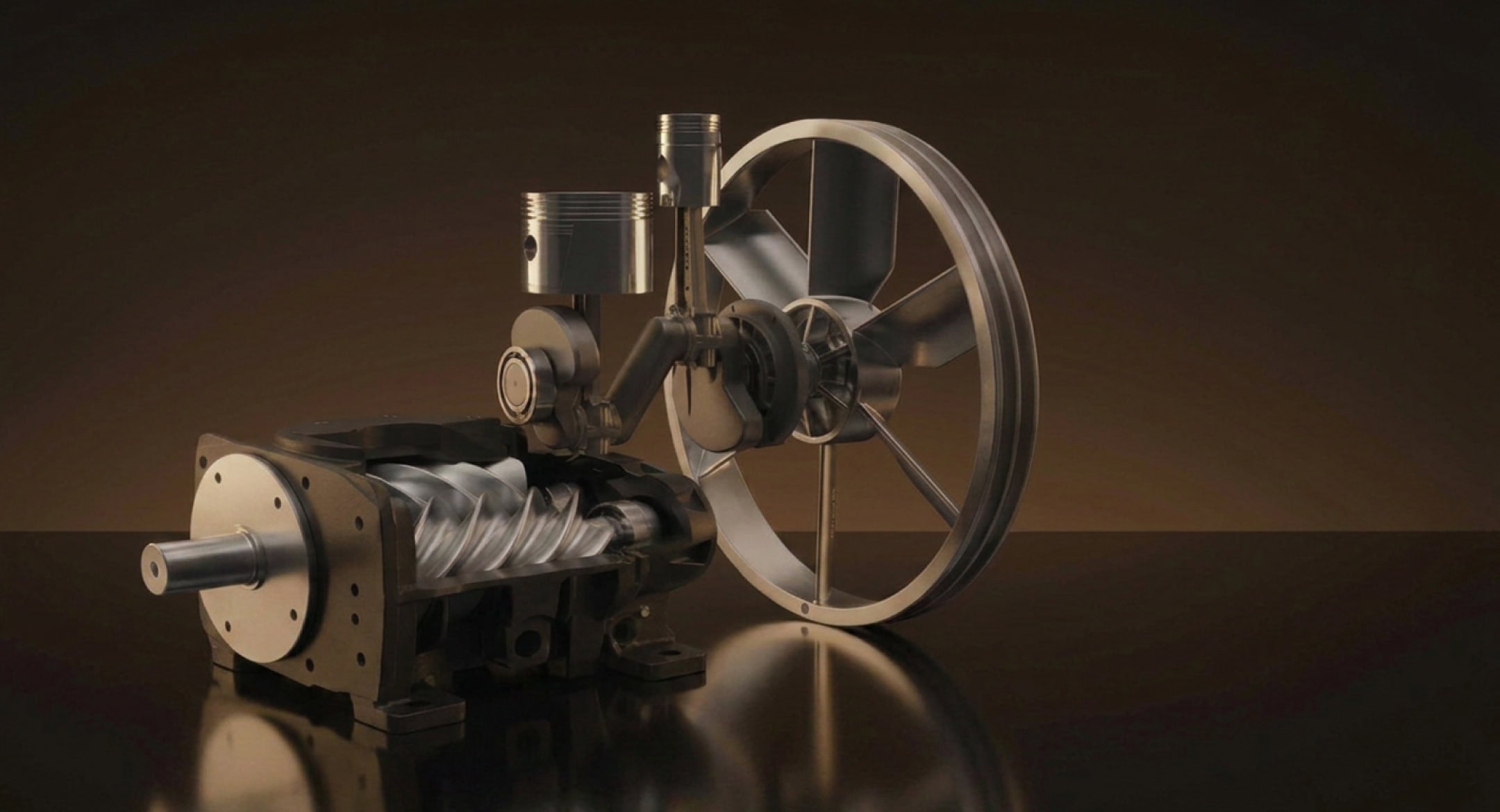
Two screw rotors rotate by engaging with each other inside a suitably machined body. The air drawn by the movement of the rotors is trapped between the coils and the screw body and pushed outwards. In this movement, a reduction in volume is realised, which generates the increase in air pressure.
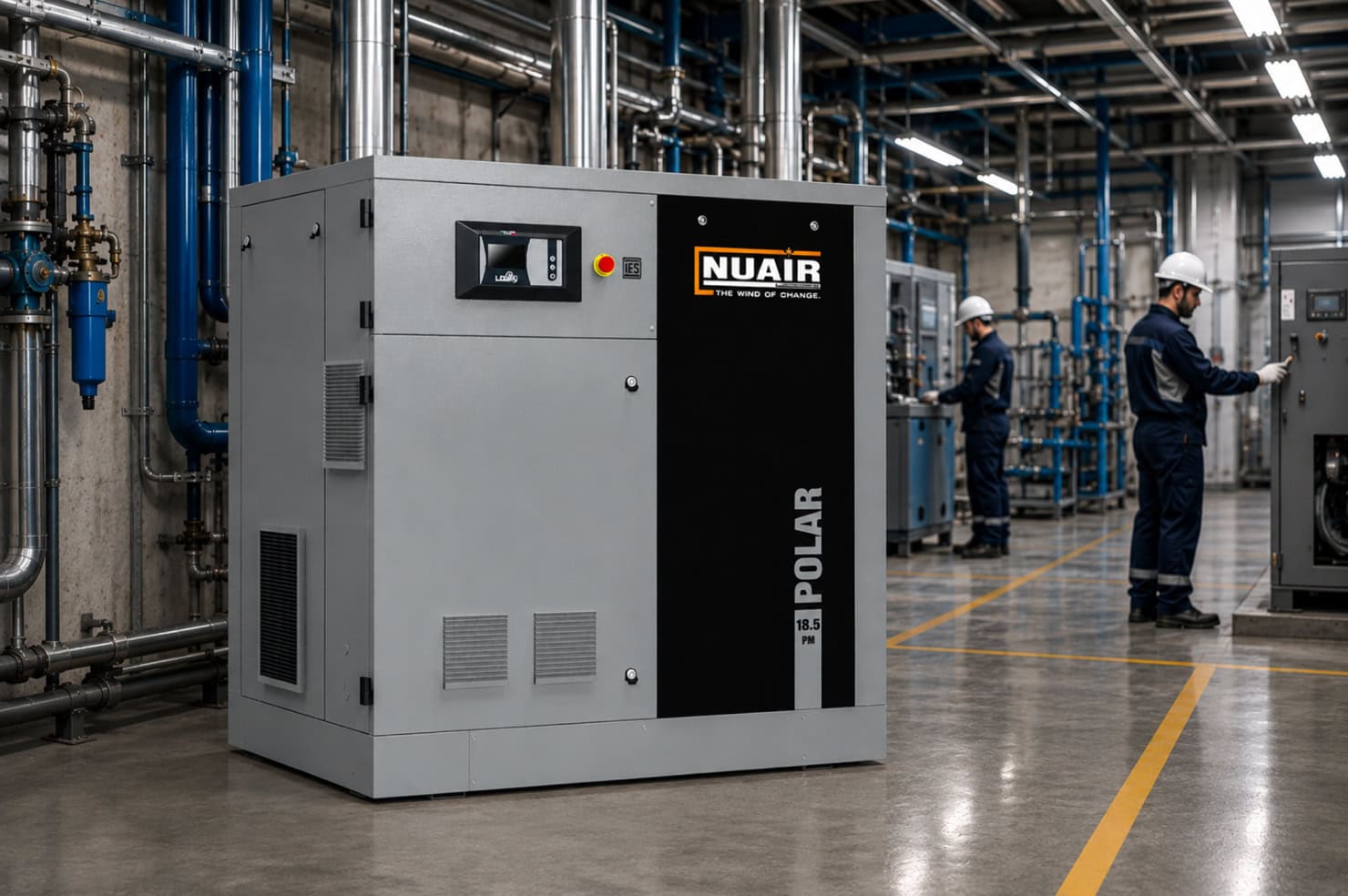
The screw compressor design allows for a constant, high-efficiency air flow. In addition, the rotary screw compressor produces less noise and vibration than reciprocating compressors, making this technology ideal for industrial applications.
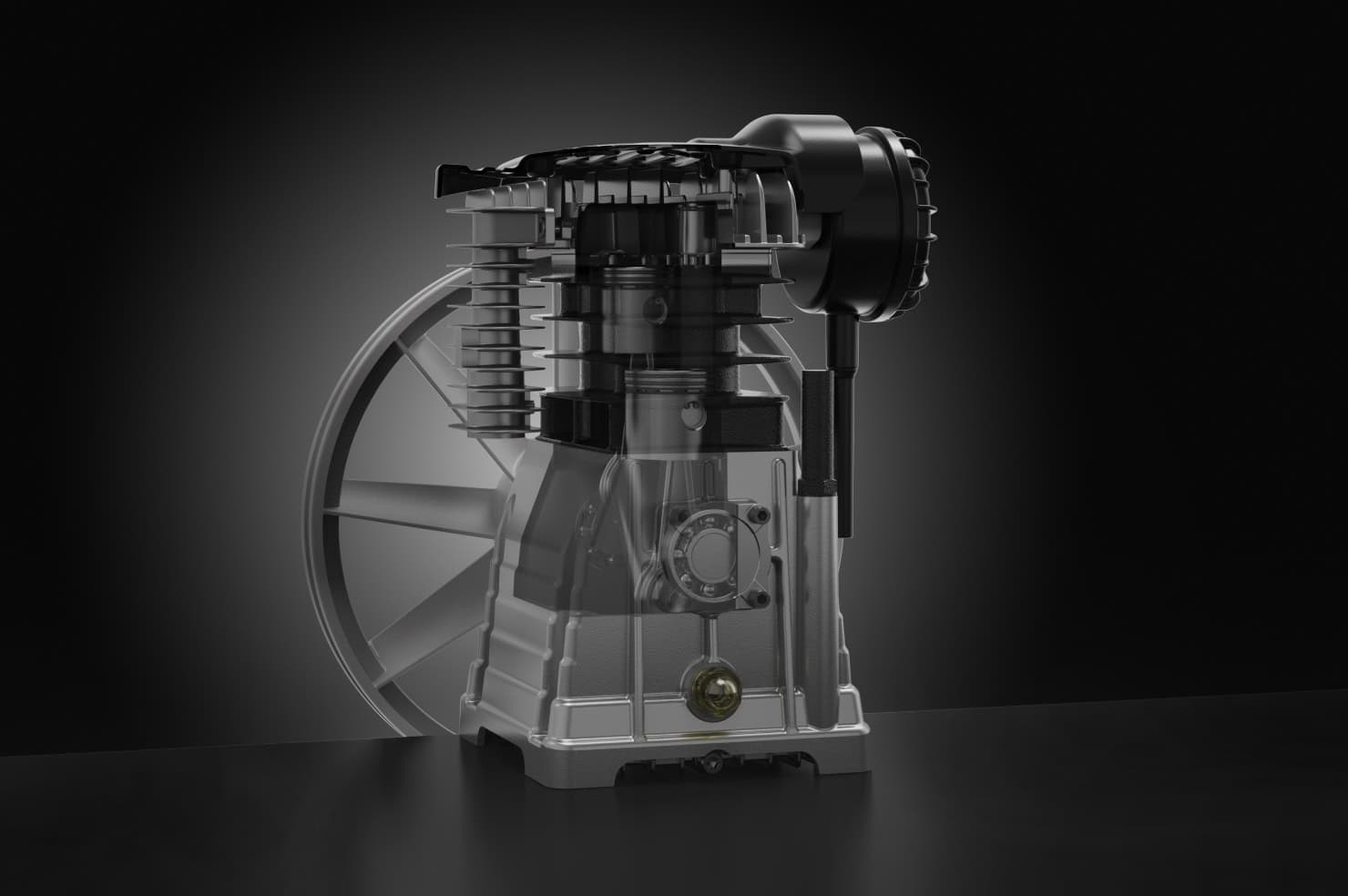
Piston technology
A piston compressor operates through the reciprocating motion of a piston inside a cylinder. During the intake stroke, air is drawn into the compression chamber; during the compression stroke, it is compressed, increasing its pressure. The compressed air is then delivered to the air receiver or directly to the application, powering pneumatic tools and equipment.

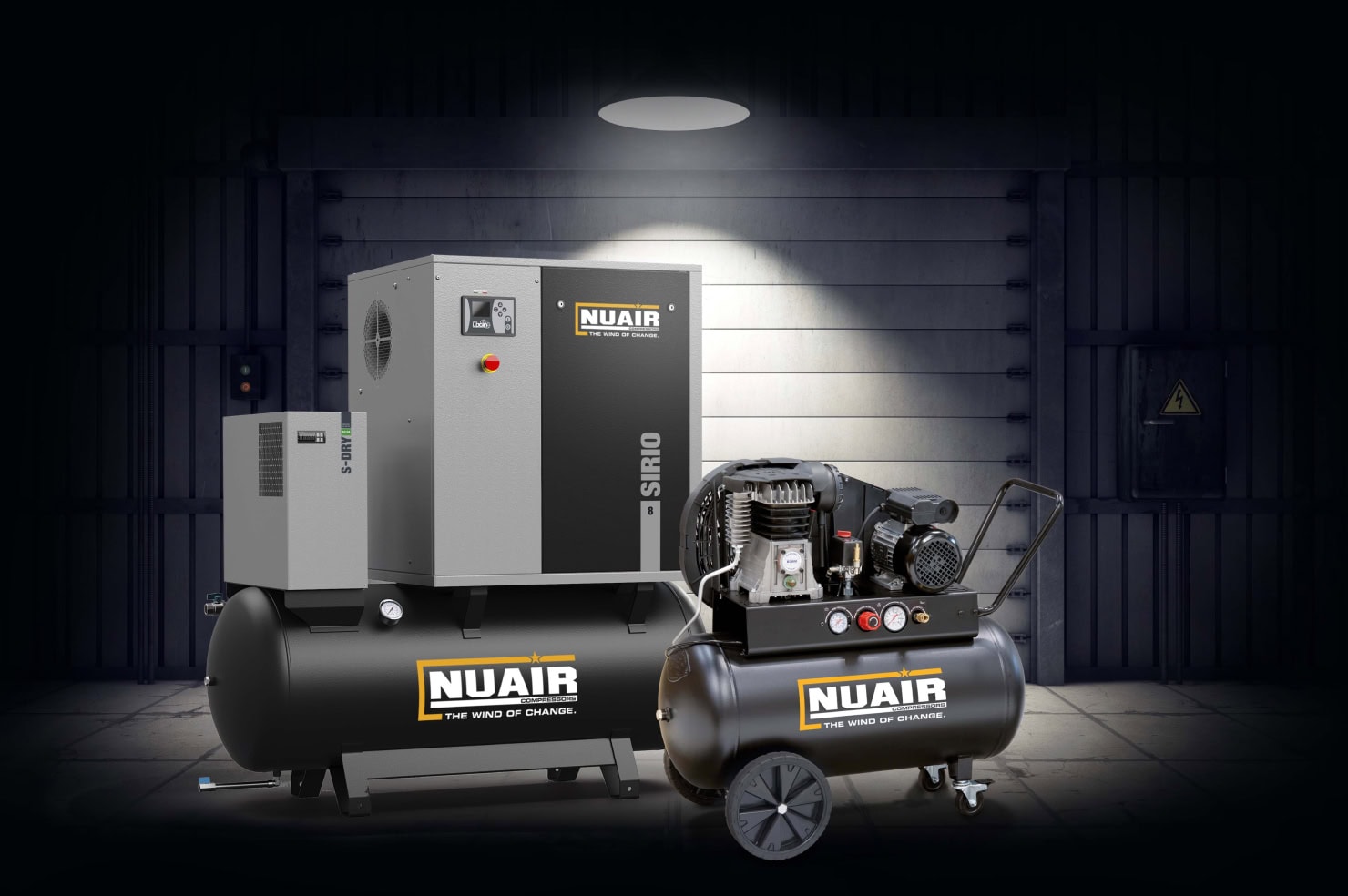
Choosing the right compressor means evaluating the intended application, the required air flow, and the necessary performance. Power, tank capacity, maximum pressure, noise level, and portability are the key factors to consider. Our guide will help you find the solution that best meets your needs.